

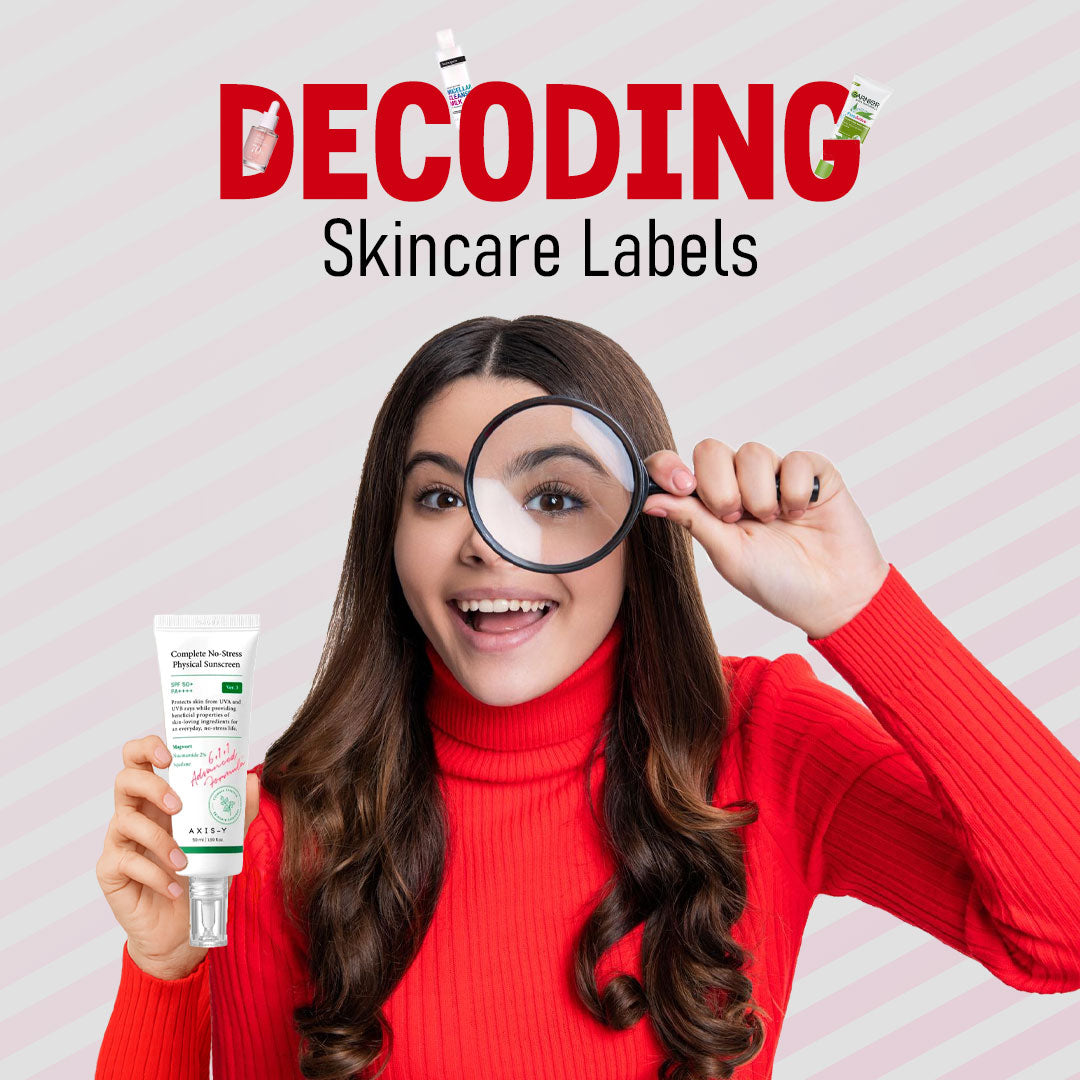
🧴 How to Read a Skincare Label Like a Pro
Understanding skincare labels doesn’t have to be complicated. Let’s break it down together—no chemistry degree needed!
1. Ingredients Are Listed by Amount
Skincare products list ingredients from most to least by how much is in the bottle. So, what you see first makes up the majority of the formula.
Why it matters:
If water is listed first, it means the product is mostly water. If you want a product that actually works, look for active ingredients like hyaluronic acid, vitamin C, or niacinamide in the first few spots.
2. INCI List: The Universal Ingredient Language
Labels use scientific or Latin names to keep things consistent across countries—this is called the INCI list.
Example:
-
Sodium hyaluronate is another name for hyaluronic acid
-
Tocopherol = vitamin E
-
Aqua = water
Tip: These names look confusing, but many apps (like INCIDecoder or Yuka) can explain what they mean.
3. Active vs. Inactive Ingredients
-
Actives: These are the "heroes" (anti-aging, brightening, acne-fighting).
-
Inactives: These keep the product stable, smooth, and fresh (like fragrance, preservatives, emulsifiers).
Look for: Your skincare hero ingredient (like retinol or salicylic acid) among the first 5–10 listed—those make the biggest difference.
4. Beware of Marketing Buzzwords & Symbols
Labels often say fancy things like “clean,” “natural,” or “anti-inflammatory,” but these terms aren’t regulated—so they don’t always mean much.
Real symbols to trust:
-
Non-comedogenic (won’t clog pores)
-
Cruelty-free (no animal testing)
-
Container icons showing expiry date or usage period
5. Check for Pore-Clogging Ingredients
If your skin is oily or acne-prone, check the label for heavy ingredients like: cocoa butter, coconut oil, beeswax, mineral oil, or certain alcohols—these can clog pores.
If you see any of these high up on the list, the product may not be suitable for you.
6. Use Tools to Decode Ingredients
Feeling overwhelmed? Try these helpful apps and sites:
-
INCIDecoder, Yuka, Think Dirty, CosDNA
They translate scientific names into clear info on safety, function, and concentration—no guesswork needed.
7. Understand Concentration Clues
Ingredients listed after 1% don’t have to be in order. Spotting your active ingredient early in the list means it's present in a strong, effective amount.
💡 Quick Reading Cheat Sheet
| What to do | What to know |
|---|---|
| Check top 5 ingredients | That’s the bulk of the formula |
| Spot hero actives | Like vitamin C, retinol or niacinamide |
| Watch for pore-cloggers | Coconut oil, beeswax, heavy waxes |
| Decode deceptive buzzwords | “Natural” doesn’t equal “good” |
| Use a decoder tool | Translate INCI into easy language |
| Check expiry/symbols | Look for "non-comedogenic", jar icon, etc. |
8. Match Labels to Your Skin Goals
-
Dry skin: Look for hydrators like glycerin, hyaluronic acid, ceramides
-
Oily/acne-prone: Salicylic acid, niacinamide—avoid pore-cloggers
-
Sensitive skin: Fragrance-free, calming extracts (like oat or chamomile)
✅ Final Tips for Smart Shoppers
-
First ingredients = power
-
INCI names are OK—use apps to translate
-
Actives early = effective
-
Don’t fall for marketing hype
-
Decode labels using tools
-
Patch test new products before full use


